
The Ultimate House Wiring Guide: How to Plan a Safe, Smart, and Future-Proof Electrical System
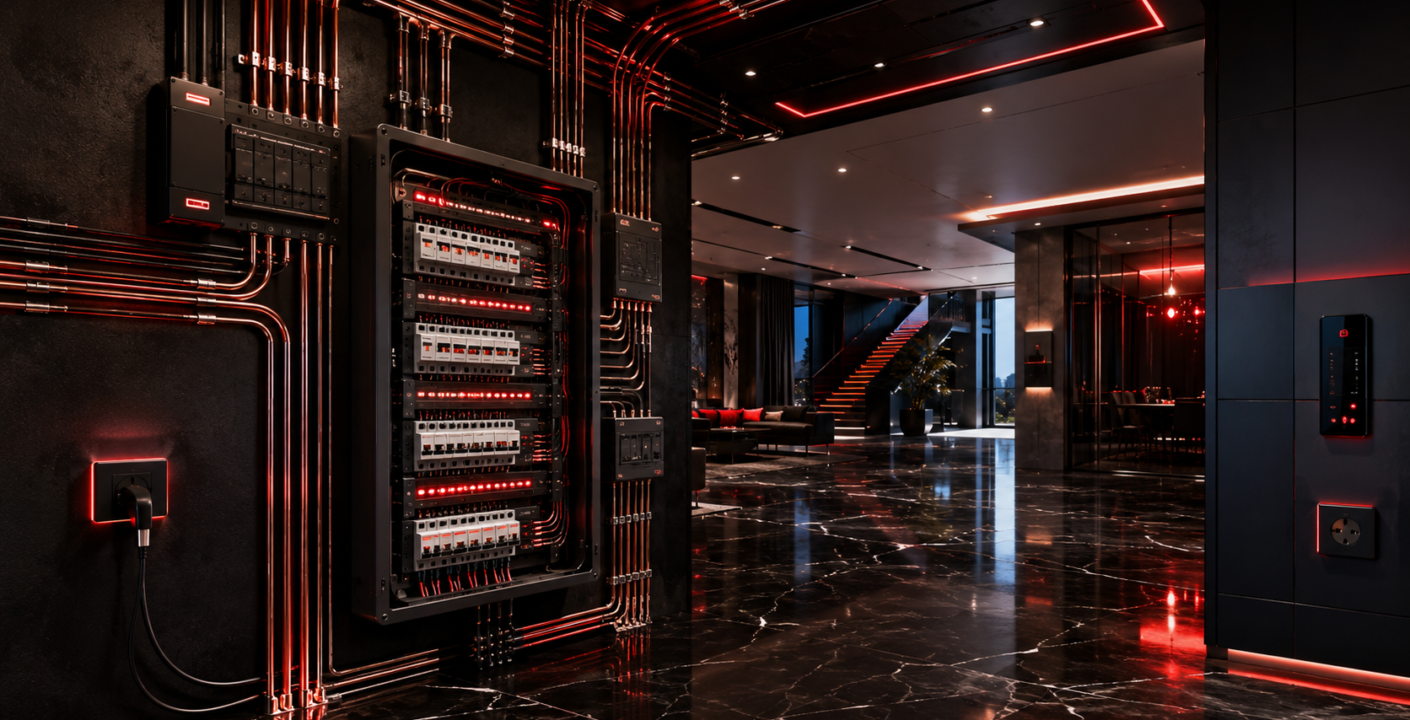
The Ultimate House Wiring Guide: How to Plan a Safe, Smart, and Future-Proof Electrical System
Electricity powers almost every part of our daily lives, from lighting and kitchen appliances to air conditioners and smart home devices. However, behind every safe and efficient home is a well-planned electrical wiring system. Whether you’re building a new house, renovating an existing property, or upgrading outdated wiring, understanding the basics of house wiring is essential.
A properly designed electrical system not only powers your home efficiently but also protects your family from electrical hazards. This guide explains everything you need to know about planning a safe, reliable, and future-ready house wiring system.
Why Proper House Wiring Matters
House wiring is much more than connecting wires behind walls. It forms the backbone of your home’s electrical system and directly impacts safety, energy efficiency, and the lifespan of your appliances.
Modern homes use more electrical devices than ever before. Air conditioners, induction cooktops, electric water heaters, home offices, entertainment systems, and smart home technology all place additional demands on your electrical system. A properly designed wiring layout ensures these appliances operate safely without overloading circuits or causing frequent power interruptions.
Understanding the Basics of Electricity
Before planning your home’s wiring, it’s helpful to understand three important electrical terms.
Voltage
Voltage is the electrical pressure that pushes electricity through the wires. Most residential homes operate on standard voltage levels depending on the country.
Current (Amperage)
Current, measured in amps, is the amount of electricity flowing through a circuit. Every electrical wire and circuit breaker is designed to safely carry a specific amount of current.
Power (Watts)
Watts measure how much electricity an appliance consumes. High-power appliances such as air conditioners, geysers, ovens, and washing machines require dedicated circuits because they draw significantly more power than lighting or mobile phone chargers.
Understanding these basic concepts helps homeowners choose the correct wiring and protective devices for their electrical system.
The Three Essential Wires in Every Home
Every modern electrical installation consists of three important wires that work together to complete the electrical circuit safely.
Live Wire
The live wire carries electricity from the main distribution board to switches, sockets, and appliances. Since it always carries electrical current, it should only be handled by qualified professionals.
Neutral Wire
The neutral wire completes the electrical circuit by carrying electricity back to the distribution board after it has passed through an appliance.
Earth Wire
The earth wire is one of the most important safety features in any electrical system. Under normal conditions, it does not carry current. However, if a fault occurs, it safely directs excess electricity into the ground, reducing the risk of electric shock and protecting both people and electrical equipment.
Choosing the Right Wire Size
Selecting the correct wire size is one of the most important aspects of house wiring. Using wires that are too small for heavy electrical loads can cause overheating, insulation damage, and even electrical fires.
Lighting circuits and ceiling fans generally require smaller wires because they consume less electricity. Standard wall sockets typically require medium-capacity wiring to support televisions, chargers, and household appliances.
Heavy-duty appliances such as microwave ovens, washing machines, water heaters, and air conditioners require thicker wires that can safely handle higher electrical loads. If you’re planning to install electric vehicle chargers, inverters, or large air-conditioning systems, your electrician should recommend even larger cable sizes designed specifically for those applications.
Always consult a qualified electrician to determine the correct wire size based on your home’s electrical load.
Understanding the Distribution Board
The distribution board, often called the DB panel, is the control center of your home’s electrical system. It distributes electricity to different rooms while protecting each circuit from electrical faults.
Modern homes should include several important safety devices.
Miniature Circuit Breakers (MCBs)
MCBs automatically disconnect power if a circuit becomes overloaded or experiences a short circuit. They help prevent overheating and protect electrical wiring from damage.
Residual Current Circuit Breakers (RCCBs)
RCCBs provide protection against electric shock. They monitor the flow of electricity and immediately disconnect the power if even a small leakage current is detected.
Surge Protection Devices (SPDs)
Power surges caused by lightning or unstable electricity supply can damage expensive electronics. Surge protection devices help safeguard televisions, computers, smart home systems, and other sensitive equipment from sudden voltage spikes.
Planning Electrical Wiring Room by Room
Every room in a home has different electrical requirements, so your wiring plan should be designed accordingly.
Living Room
The living room usually contains televisions, sound systems, internet routers, lighting, and charging devices. Installing enough power outlets reduces the need for extension cords while keeping the room neat and organized.
Kitchen
The kitchen has some of the highest electrical demands in any home. Refrigerators, microwave ovens, induction cooktops, dishwashers, and chimneys should have dedicated circuits to prevent overloading and improve safety.
Bedrooms
Bedrooms should include convenient switch locations and sufficient power outlets for lighting, mobile chargers, televisions, and air conditioners. Many modern homes now include USB charging ports integrated directly into wall sockets.
Bathrooms
Bathrooms require extra electrical protection because of the presence of water. Water heaters and bathroom outlets should always be protected by RCCBs, and switches should be installed outside wet areas whenever possible.
Common House Wiring Mistakes to Avoid
Many electrical problems occur because of poor planning or incorrect installation practices.
One of the most common mistakes is using low-quality wires that do not meet safety standards. Always choose certified, flame-retardant electrical cables from trusted manufacturers.
Another common mistake is connecting lighting circuits and heavy appliances to the same electrical line. This often causes lights to flicker whenever large appliances start operating.
Overfilling conduits with too many wires can also create excessive heat inside the walls, reducing the lifespan of cable insulation. Proper spacing allows wires to remain cool and improves long-term reliability.
Finally, never ignore proper earthing. A well-designed earthing system protects your family from electrical shocks and significantly improves the safety of your entire electrical installation.
Future-Proofing Your Home
As technology continues to evolve, homes are becoming increasingly dependent on electricity. Planning for future requirements today can save significant time and money later.
Consider installing additional power outlets, dedicated circuits for future air conditioners or electric vehicle chargers, smart switches, home automation wiring, and extra network cables while construction is underway. These upgrades make your home more adaptable to future technologies without requiring major renovations.
Conclusion
A well-planned house wiring system is one of the most important investments you can make in your home. It provides reliable power, improves energy efficiency, protects expensive appliances, and most importantly, keeps your family safe.
By choosing the correct wire sizes, installing quality circuit protection devices, planning each room carefully, and avoiding common wiring mistakes, you can create an electrical system that will serve your home for many years.
For the best results, always hire a licensed electrician and purchase electrical wires, switches, circuit breakers, and accessories from a trusted electrical supplier. Investing in quality materials today ensures a safer, smarter, and more reliable home for the futur
