
The Ultimate Ceiling Fan Buying Guide: How to Choose the Perfect Fan for Your Home and Office
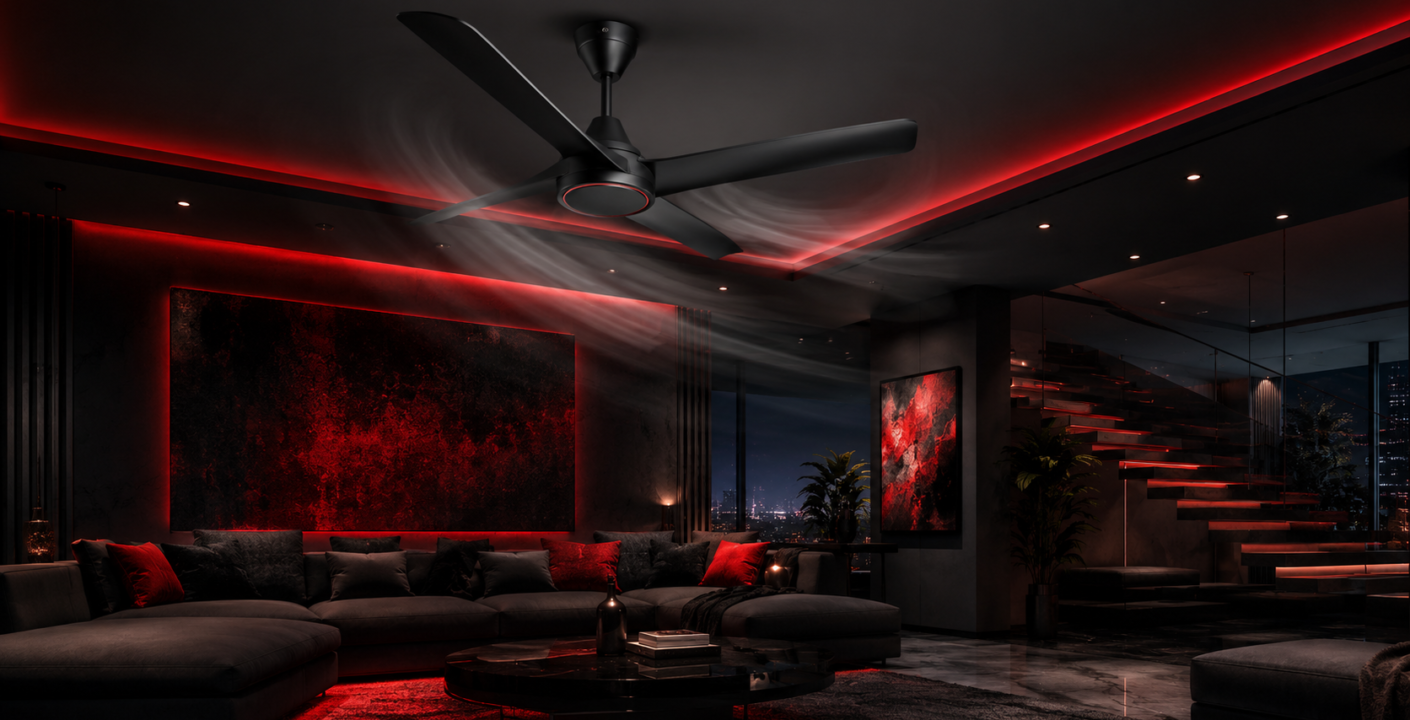
The Ultimate Ceiling Fan Buying Guide: How to Choose the Perfect Fan for Your Home and Office
Choosing the right ceiling fan is about more than just finding a design that matches your interior. A good ceiling fan improves comfort, reduces energy consumption, and enhances the overall look of your home or office. With modern technology introducing quieter motors, energy-efficient designs, and smart features, selecting the perfect fan has become easier than ever.
Whether you’re replacing an old fan or installing one in a new space, this comprehensive buying guide will help you understand everything you need to know before making your purchase.
How Does a Ceiling Fan Work?
Many people believe that a ceiling fan lowers the temperature of a room like an air conditioner. However, that’s not how it works.
A ceiling fan creates a wind-chill effect by circulating air throughout the room. As the moving air passes over your skin, it speeds up the evaporation of sweat, making you feel cooler and more comfortable. While the room temperature remains the same, the increased airflow provides a refreshing cooling sensation.
Because of this, ceiling fans can help reduce the need for constant air conditioning, leading to lower electricity bills.
Choosing the Right Motor: AC vs. BLDC
The motor is the heart of every ceiling fan. Today, the two most common motor types are AC (Alternating Current) and BLDC (Brushless Direct Current).
AC Ceiling Fans
Traditional AC ceiling fans have been used for decades and are generally more affordable. They provide reliable performance but consume more electricity compared to modern alternatives. Over time, AC motors may also produce more noise due to regular wear and tear.
BLDC Ceiling Fans
BLDC ceiling fans are becoming the preferred choice for modern homes and offices. These fans use advanced technology to deliver higher efficiency while consuming significantly less power.
Some major advantages include:
- Lower electricity consumption
- Quiet operation
- Longer motor life
- Better performance during voltage fluctuations
- Reduced heat generation
Although BLDC fans have a higher initial cost, they help save money on electricity over the long term.
How to Choose the Right Fan Size
Selecting the correct blade span is essential for effective airflow. A fan that is too small won’t circulate enough air, while an oversized fan may create excessive airflow in a compact room.
Use the following recommendations:
| Room Size | Recommended Blade Span |
|---|---|
| Up to 75 sq. ft. | 29–36 inches |
| 75–144 sq. ft. | 42–48 inches |
| 144–225 sq. ft. | 52–56 inches |
| Above 225 sq. ft. | 60 inches or multiple fans |
Always measure your room before purchasing a ceiling fan to ensure the best performance.
Different Types of Ceiling Fan Mounting
The ceiling height and structure determine which mounting style is suitable.
Standard Downrod Fans
These fans are ideal for rooms with standard ceiling heights. The downrod allows sufficient space above the blades, improving airflow throughout the room.
Flush Mount (Hugger) Fans
Flush-mount fans are designed for rooms with low ceilings. They sit close to the ceiling, maximizing headroom while providing efficient cooling.
Sloped Ceiling Fans
Homes with vaulted or angled ceilings require specially designed mounting kits that allow the fan to hang vertically for smooth operation.
Dual Fan Systems
Large open spaces such as banquet halls, offices, or commercial areas often benefit from installing two medium-sized fans instead of one oversized fan. This creates more even airflow throughout the room.
Choosing the Right Fan for Every Room
Every room has different cooling requirements.
Living Room
The living room is often the focal point of a home, so choose a stylish fan with high airflow. Decorative finishes and larger blade spans work well in these spaces.
Bedroom
For bedrooms, comfort and quiet operation are essential. BLDC ceiling fans with remote controls, sleep timers, and multiple speed settings provide a peaceful sleeping environment.
Kitchen
Kitchen fans should be compact, easy to clean, and resistant to grease and dust. Choose models with smooth finishes that require minimal maintenance.
Office
Office spaces need fans that offer consistent airflow, low noise levels, and excellent energy efficiency. Installing high-performance fans helps improve employee comfort while reducing operating costs.
Ceiling Fan Installation Tips
Proper installation is important for both safety and performance.
Keep these installation guidelines in mind:
- Install the fan at least 7 feet above the floor.
- Leave 18 inches of clearance between the blade tips and nearby walls.
- Maintain 8–12 inches of space between the blades and the ceiling.
- Always use the correct mounting hardware.
- If you’re unsure about installation, hire a qualified electrician.
Correct installation minimizes wobbling, reduces noise, and improves airflow.
Common Ceiling Fan Buying Mistakes
Avoid these common mistakes when purchasing a ceiling fan:
Buying the Wrong Size
Choosing the wrong blade span can reduce airflow efficiency. Always match the fan size to your room dimensions.
Ignoring Energy Efficiency
An energy-efficient fan may cost slightly more, but it significantly lowers electricity bills over time.
Choosing Style Over Performance
A beautiful fan should also provide strong airflow. Check the motor quality, airflow rating, and energy consumption before buying.
Purchasing Low-Quality Products
Cheap, unbranded fans may develop issues such as noisy motors, wobbling blades, and shorter lifespans. Investing in a reputable brand ensures better reliability and warranty support.
Selecting the Wrong Blade Material
For humid environments like bathrooms, balconies, or coastal homes, choose moisture-resistant ABS plastic or composite blades instead of wood or standard steel.
Smart Features to Consider
Modern ceiling fans offer several smart features that improve convenience and energy efficiency.
Popular features include:
- Remote control operation
- Smartphone app control
- Voice assistant compatibility
- Sleep timer
- Reverse rotation mode
- Automatic speed adjustment
- Temperature sensors
These features provide greater comfort while helping reduce energy consumption.
Ceiling Fan Maintenance Tips
Routine maintenance helps keep your ceiling fan operating efficiently.
Here are a few simple maintenance tips:
- Clean the blades regularly to remove dust.
- Tighten screws if the fan begins to wobble.
- Inspect the motor for unusual noises.
- Keep the motor housing clean.
- Follow the manufacturer’s maintenance recommendations.
Proper care extends the lifespan of your ceiling fan and ensures consistent performance.
Conclusion
Choosing the right ceiling fan involves more than selecting a stylish design. The right motor, blade size, mounting type, and smart features all contribute to better comfort and energy efficiency.
Whether you’re buying a ceiling fan for your living room, bedroom, kitchen, or office, focus on quality, performance, and long-term value. A well-designed, energy-efficient ceiling fan not only enhances indoor comfort but also helps reduce electricity costs for years to come.
Before making your purchase, compare different models, review their specifications, and buy from a trusted electrical supplier or authorized dealer. This ensures you receive a genuine product backed by a reliable warranty and professional customer support.
